Reviving India’s Living Crafts: The Story Behind Handcrafted Products and Artisan Traditions
Blog Date: 10 Mar, 2026
India’s traditional crafts are more than decorative objects—they are living stories of heritage, resilience, and creativity passed down through generations. Across villages and artisan communities, handcrafted products represent cultural identity and skilled craftsmanship. Recently, conversations around India’s living crafts have gained renewed attention as artisans share their journeys of preserving these traditions while adapting to modern markets. Events that celebrate craft traditions highlight the importance of supporting handmade products online and sustaining the livelihoods of skilled artisans across the country.
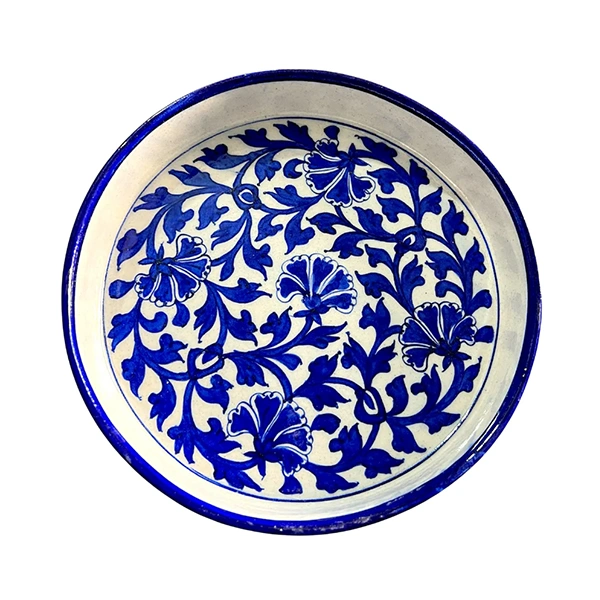
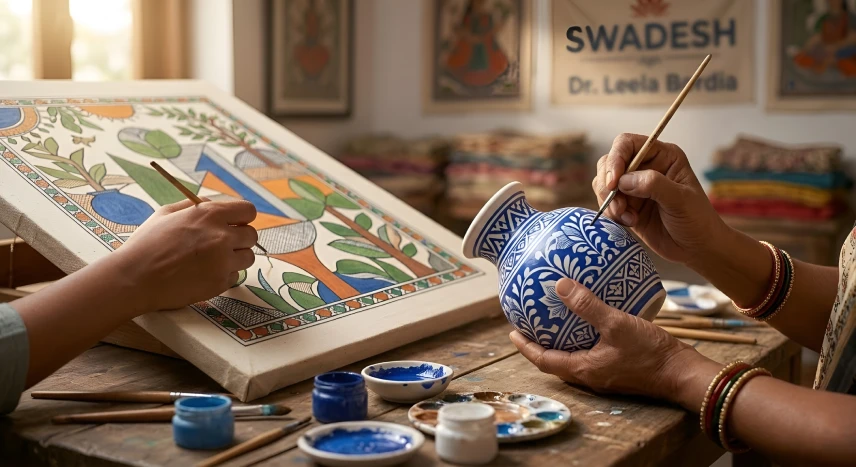
One inspiring story is that of Dr. Leela Bordia, who played a crucial role in reviving the iconic Jaipur Blue Pottery, a traditional craft known for its distinctive cobalt-blue designs and intricate hand-painted motifs. Her journey began when she encountered artisans who travelled long distances simply to practice their craft because work opportunities were scarce. Determined to support them, she promised to create work for the artisans in their own villages and spent years learning how traditional pottery could evolve for modern audiences. Today, Jaipur Blue Pottery stands as a beautiful example of handcrafted home décor, blending heritage artistry with contemporary design.
What makes handmade pottery and handcrafted décor truly special is the painstaking process behind each piece. Unlike mass-produced items, traditional crafts such as Blue Pottery are created using natural materials like quartz stone powder, glass powder, and multani mitti instead of clay. Skilled artisans shape, paint, and glaze each item by hand, resulting in unique pieces that carry the personal touch of the maker. This authenticity is why more people today are choosing handcrafted products for home décor, valuing their artistic beauty as well as the stories behind them.
Another remarkable example of evolving craft traditions is Mithila Painting, also known as Madhubani art. Originally created by women on the mud walls of their homes, these vibrant paintings gradually transitioned onto paper and canvas, turning a cultural practice into a sustainable livelihood. Over time, this traditional art form has empowered thousands of women artisans by giving them a platform to share their creativity with the world. Today, Mithila paintings are celebrated globally as handmade wall art, making them popular choices for those seeking meaningful and culturally rich handcrafted gifts.
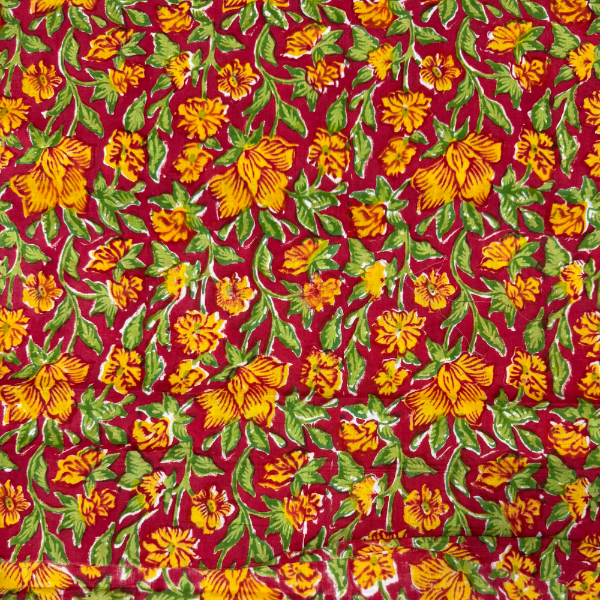
Beyond pottery and paintings, many Indian crafts—from Gond art to embroidery and textile weaving—continue to thrive because artisans are willing to innovate while preserving authenticity. Platforms and marketplaces that promote handcrafted products online play a significant role in connecting artisans with modern buyers. By showcasing authentic handmade products, these platforms help ensure that traditional crafts remain relevant in contemporary lifestyles while providing artisans with sustainable income and recognition.
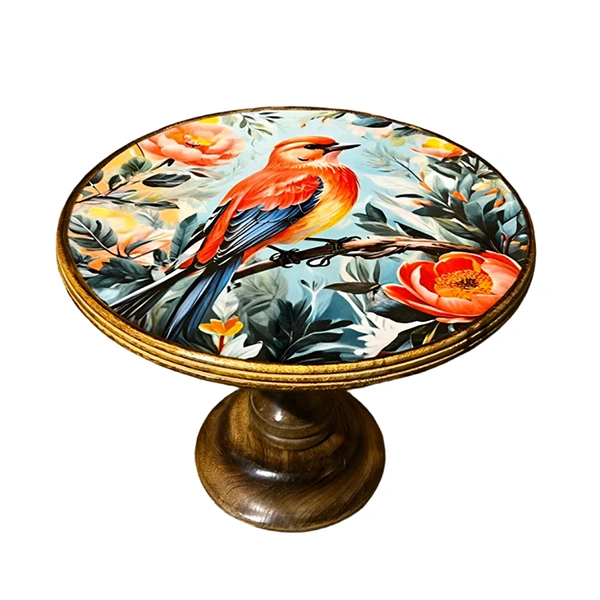
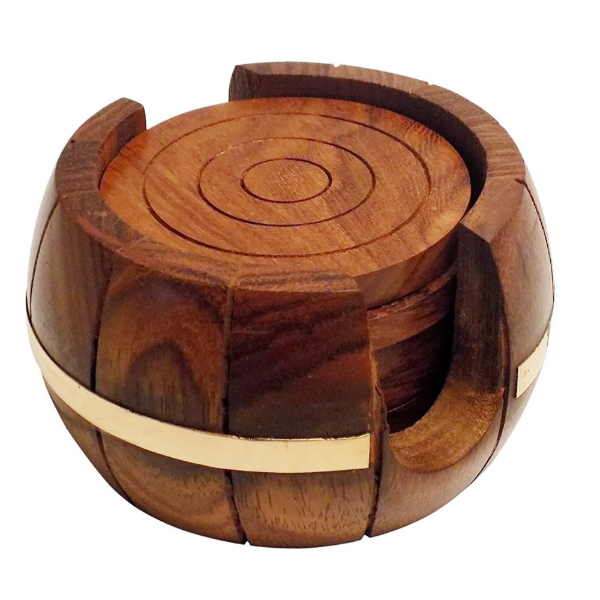
In a world increasingly dominated by factory-made goods, choosing handmade crafts is a meaningful way to celebrate creativity and cultural heritage. Each handcrafted product reflects hours of dedication, skill, and tradition carried forward by artisan communities. By supporting handcrafted home décor, handmade gifts, and artisanal products, customers not only bring unique beauty into their homes but also contribute to preserving India’s rich craft legacy for future generations.